
Plain language and ISO 24495: principles, practice and FAQs
Understand ISO 24495, its four plain language principles and its use in financial and legal communication. Includes FAQs on training, AI and evaluation.
ISO 24495-1:2023 sets out governing principles and guidelines for plain language. It considers readers' needs alongside wording, structure and design.
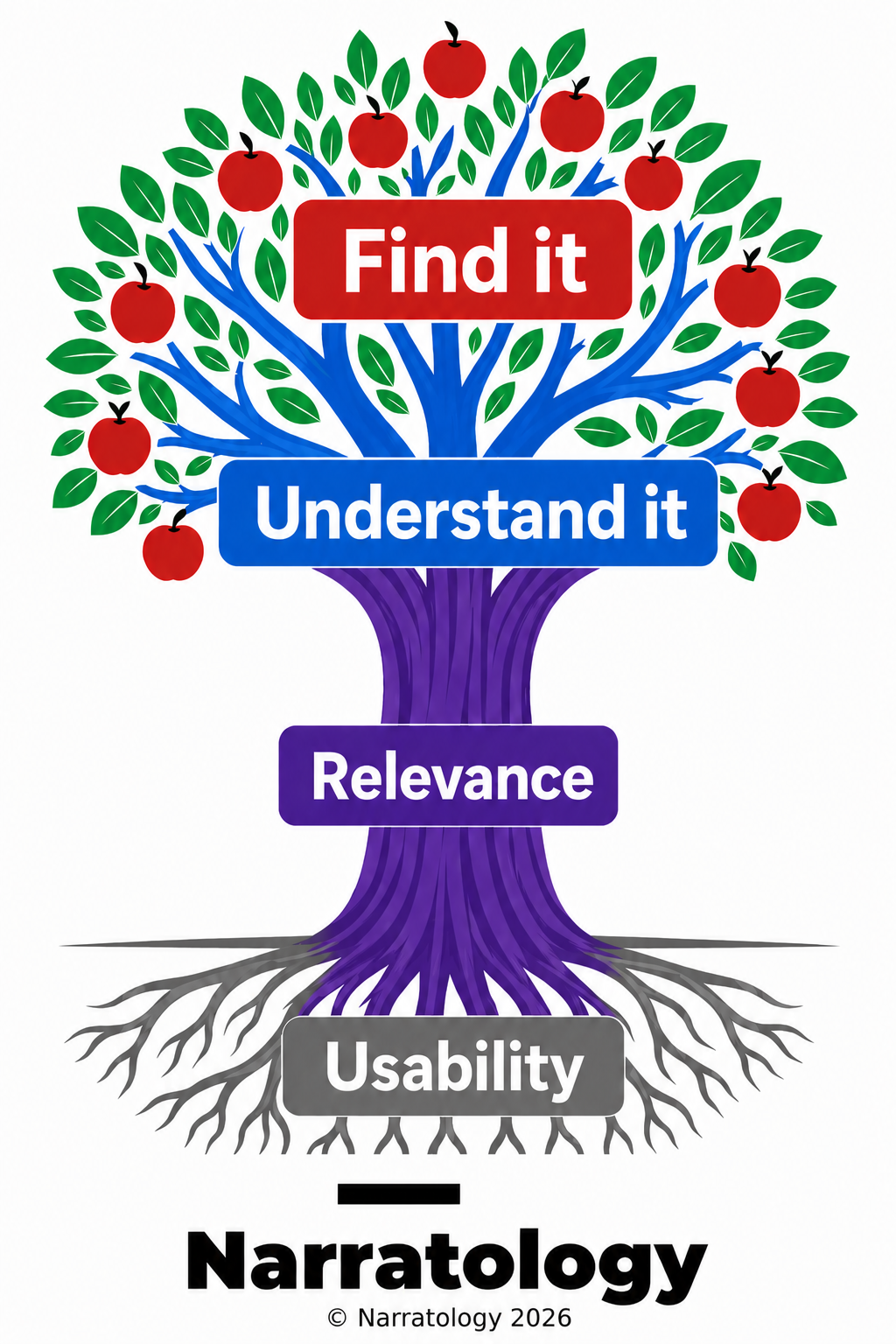
Plain language helps intended readers find the information they need, understand it and use it. That is a wider task than shortening sentences.
Plain language governing principles
The standard gives four governing principles:
- Relevant: readers get the information they need.
- Findable: readers can locate that information easily.
- Understandable: readers can understand what they find.
- Usable: readers can use the information for their purpose.
All these principles must apply for a piece of content to be in plain language. If a legal term uses familiar words, but leaves out important conditions, then it would not qualify to be in plain language.
Why plain language matters in financial and legal businesses
Consumer Duty and financial communication
The FCA's consumer understanding outcome concerns the decisions customers need to make. Communications should meet their information needs and support properly informed decisions.
Plain language gives teams a practical way to examine the information supporting those decisions. It does not, by itself, establish compliance with Consumer Duty.
Read how to test customer communications for Consumer Duty for a practical approach to gathering evidence.
Communication for specialist readers
Specialist readers also need information they can use efficiently. Technical precision and familiar language can work together.
A necessary legal term may need to remain. Explain it for the intended audience and make its consequences clear.
International consistency
An international standard gives teams a shared reference point for plain language. Local requirements, languages and intended readers still need consideration.
Using AI with a clear framework
The principles can help teams organise AI writing and assessment tasks. Some checks can be automated, while others need research and professional judgement.
For example, a model may flag an unexplained acronym. It cannot establish how a particular customer understands an exclusion without evidence from that audience.
How Narratology helps you apply the standard
Training in plain language and ISO 24495
Our plain language courses consider accessibility and inclusive design alongside the standard. Teams learn how these approaches relate to their own content.
We also help teams develop workflows that address all four principles.
Editorial tools and workflow advice
Style sheets, glossaries and content patterns can make plain language easier to maintain. They need ownership and a process for keeping them current.
We help teams establish reviews and identify content they can reuse across documents.
Rewriting and editing
We work with stakeholders in marketing, legal and compliance. This helps preserve the meaning of the content while improving its structure and wording.
Our work includes the sentences and paragraphs readers encounter, alongside the order and presentation of the information.
User testing and research
We evaluate content through expert review and research. Depending on the question, this can include qualitative or quantitative methods.
Research continues beyond a single user test. Teams need to understand what happened after changes and whether further action is needed.
Questions about plain language and ISO 24495
Can you use AI for plain language?
You can use AI to support plain language work. It can help draft alternatives, flag unexplained terms and check consistency.
It can also help prepare research materials for review. Customer profiles and findings need evidence, and AI cannot assess every aspect of ISO 24495.
What is the plain-language ISO standard?
ISO 24495-1:2023, Plain language, Part 1: Governing principles and guidelines, sets out a framework for clear communication.
Its four governing principles concern relevance, findability, understanding and usability. The focus is the intended reader and what they need to do.
What is the plain-language standard for legal information?
ISO 24495-2:2025, Plain language, Part 2: Legal communication, gives additional guidelines for legal communication.
It addresses how readers find, understand and use legal information. Teams need to consider the audience and preserve the legal meaning.
Where can I get plain-language training in the UK?
Narratology offers plain language training in person and remotely for organisations in the UK. Courses address the ISO principles and participants' own communications.
Training can focus on financial services, legal communication, accessibility or AI writing. Read about our courses.
Are there AI tools for plain language?
AI tools can support parts of a plain language review. Check which criteria a tool assesses and what evidence supports its findings.
A readability score covers only a limited part of clarity. Human review and research remain necessary. Ask about Narratology's assessment approach.
Sources and further reading
ISO 24495-1:2023: Governing principles and guidelines
ISO 24495-2:2025: Legal communication
FCA Handbook: Consumer understanding
About Frances Gordon
Frances Gordon is Director of Narratology and UK Ambassador for PLAIN. She contributes to plain language standards through the British Standards Institution.
Her work focuses on clear communication in regulated environments, accessibility and financial inclusion. Read Frances's profile.